SERVICES
This is the text area for this paragraph. Once you've added your content, you can customize its design by using different colors, fonts, font sizes and bullets. Just highlight the words you want to design and choose from the various options in the text editing bar.
Water Testing & Analysis
The foundation of effective water treatment
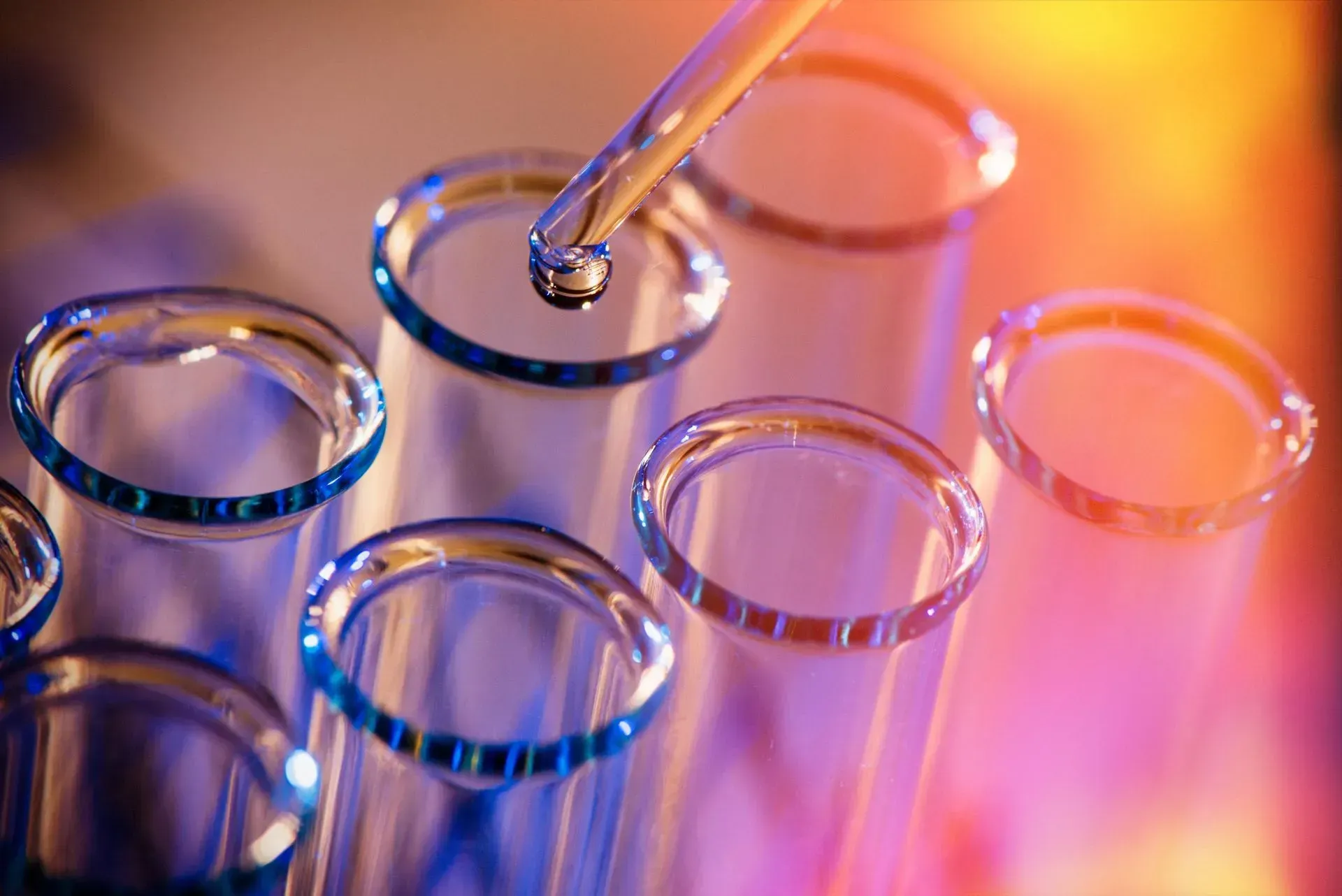
Accurate water testing is the most important step in designing a reliable and effective water treatment system. Every water source is different, and without proper testing, treatment equipment may be undersized, oversized, or not addressing the real problem.
Our water testing and analysis process evaluates both the safety and performance characteristics of your water. Depending on your water source, this may include testing for:
Commonly Tested Contaminants & Water Characteristics
- Hardness (calcium and magnesium)
- pH level (acidity or alkalinity)
- Iron (clear water iron, oxidized iron, iron bacteria indicators)
- Manganese
- Hydrogen sulfide (sulfur odors)
- Total Dissolved Solids (TDS)
- Chlorine or chloramine (municipal water)
- Nitrates and nitrites
- Bacteria (coliform and E. coli indicators)
- Turbidity and sediment
- Taste, odor, and staining indicators
For more in-depth analysis, laboratory testing may be recommended to evaluate additional health-related contaminants such as arsenic, lead, fluoride, or PFAS.
Why Water Testing Matters
Proper water testing allows us to:
- Identify health-related concerns
- Diagnose staining, odor, and taste issues
- Determine correct equipment sizing
- Prevent unnecessary or ineffective installations
- Customize treatment solutions for your home
Testing results guide system selection, placement, and configuration, ensuring your water treatment system is designed for long-term performance and reliability—not guesswork.
Water testing is recommended for new homeowners, private well users, households experiencing changes in water quality, or anyone considering a new water treatment system.
Reverse Osmosis Drinking Water Systems
Advanced purification for the cleanest drinking water possible
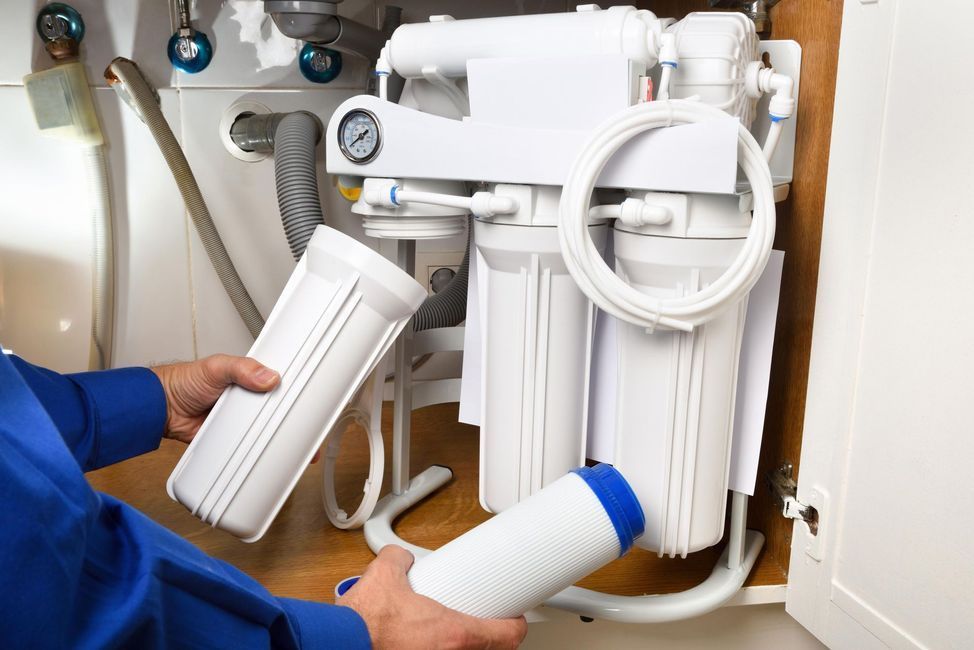
Reverse osmosis (RO) drinking water systems are one of the most effective ways to purify water for drinking and cooking. These systems use a semi-permeable membrane along with multiple stages of filtration to remove a wide range of contaminants at the molecular level. RO systems are typically installed at a dedicated faucet and can also supply refrigerators and ice makers.
Reverse osmosis systems are designed to reduce or remove:
- Total Dissolved Solids (TDS)
- Lead
- Arsenic
- Chromium
- Fluoride
- Nitrates and nitrites
- Chlorine and chloramine
- Volatile Organic Compounds (VOCs)
- Pesticides and herbicides
- Pharmaceuticals and personal care product residues
- PFAS / “forever chemicals” (depending on membrane and carbon stages)
- Cysts such as Giardia and Cryptosporidium
- Taste, odor, and color issues
The result is clean, great-tasting water similar to high-quality bottled water, right at your sink. RO systems are ideal for families concerned about health, taste, and long-term exposure to contaminants commonly found in both well water and municipal supplies.
Water Softeners
Eliminate hard water and protect your home
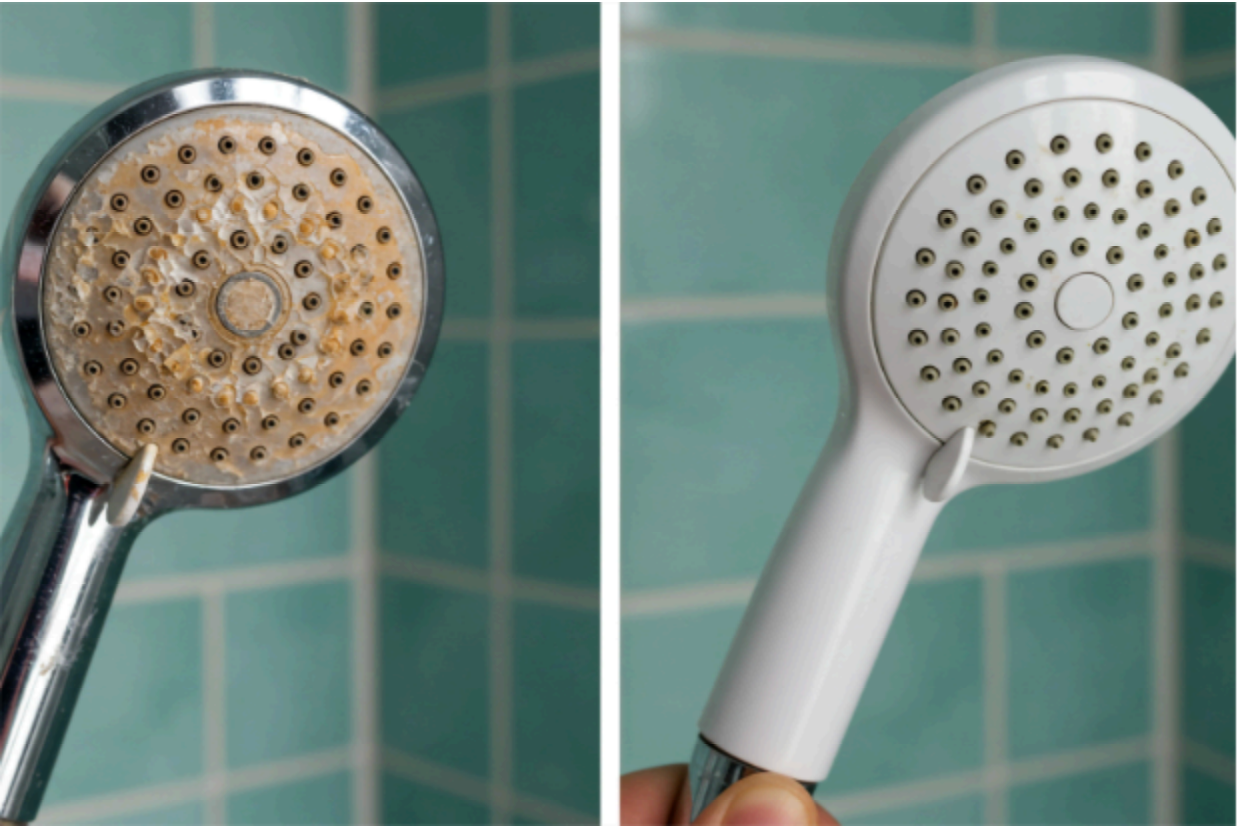
Water softeners are designed to remove hardness minerals—primarily calcium and magnesium—from your water supply. Hard water causes scale buildup inside plumbing, water heaters, and appliances, leading to reduced efficiency, higher energy costs, and premature equipment failure.
A properly sized water softener:
- Prevents scale buildup in pipes and fixtures
- Improves water heater efficiency and lifespan
- Helps soaps and detergents work better
- Reduces spotting on dishes and glassware
- Leaves skin and hair feeling softer
- Helps clothes last longer and feel cleaner
Softened water protects your home’s plumbing system and improves everyday water use throughout the house. Water softeners are especially important for well water and areas known for hard municipal water.
Whole-House Carbon Filtration
Cleaner, better-tasting water from every tap
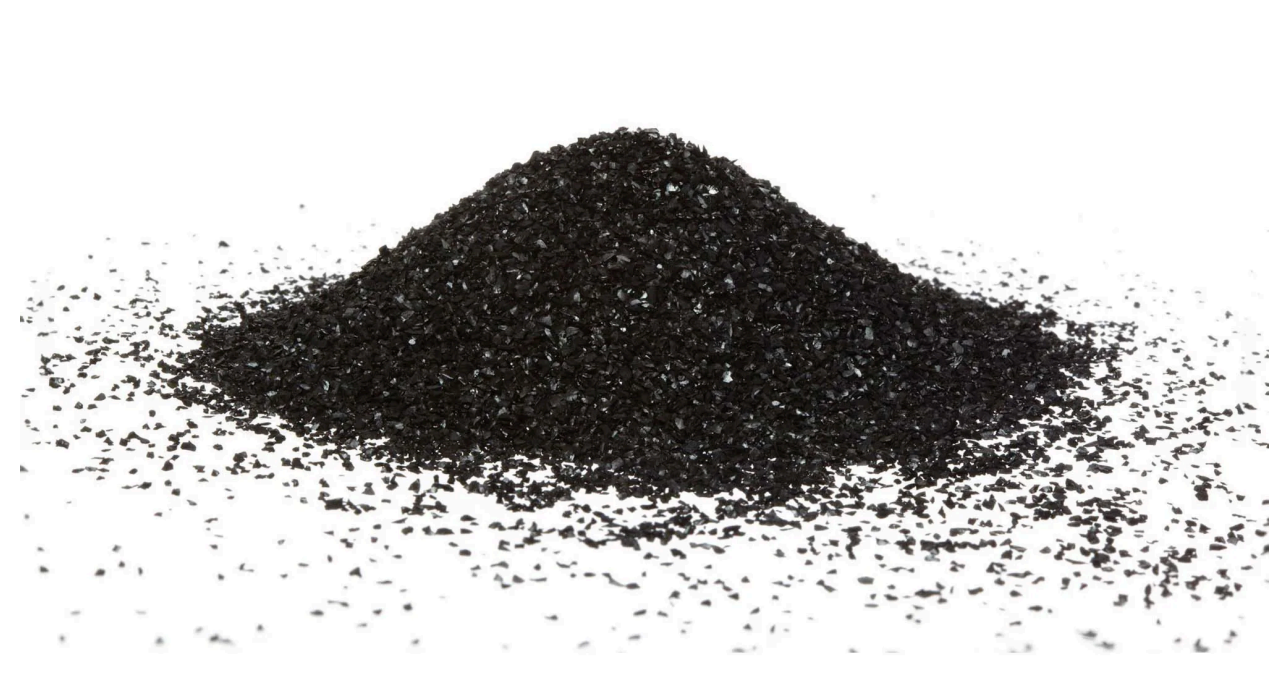
Whole-house carbon filtration systems treat all the water entering your home, improving water quality for drinking, bathing, cooking, and cleaning. These systems use high-quality activated carbon to adsorb contaminants and chemicals before water is distributed throughout the house.
Carbon filtration is highly effective at reducing:
- Chlorine
- Chloramine
- Chemical tastes and odors
- Volatile Organic Compounds (VOCs)
- Organic contaminants
- Certain pesticides and industrial byproducts
By removing chlorine and harsh chemicals, carbon systems help protect plumbing, fixtures, and water-using appliances while also being gentler on skin and hair. These systems are commonly installed in homes with city water or paired with other treatment equipment on well systems.
Iron Removal Systems
Clear water without stains, odors, or metallic taste
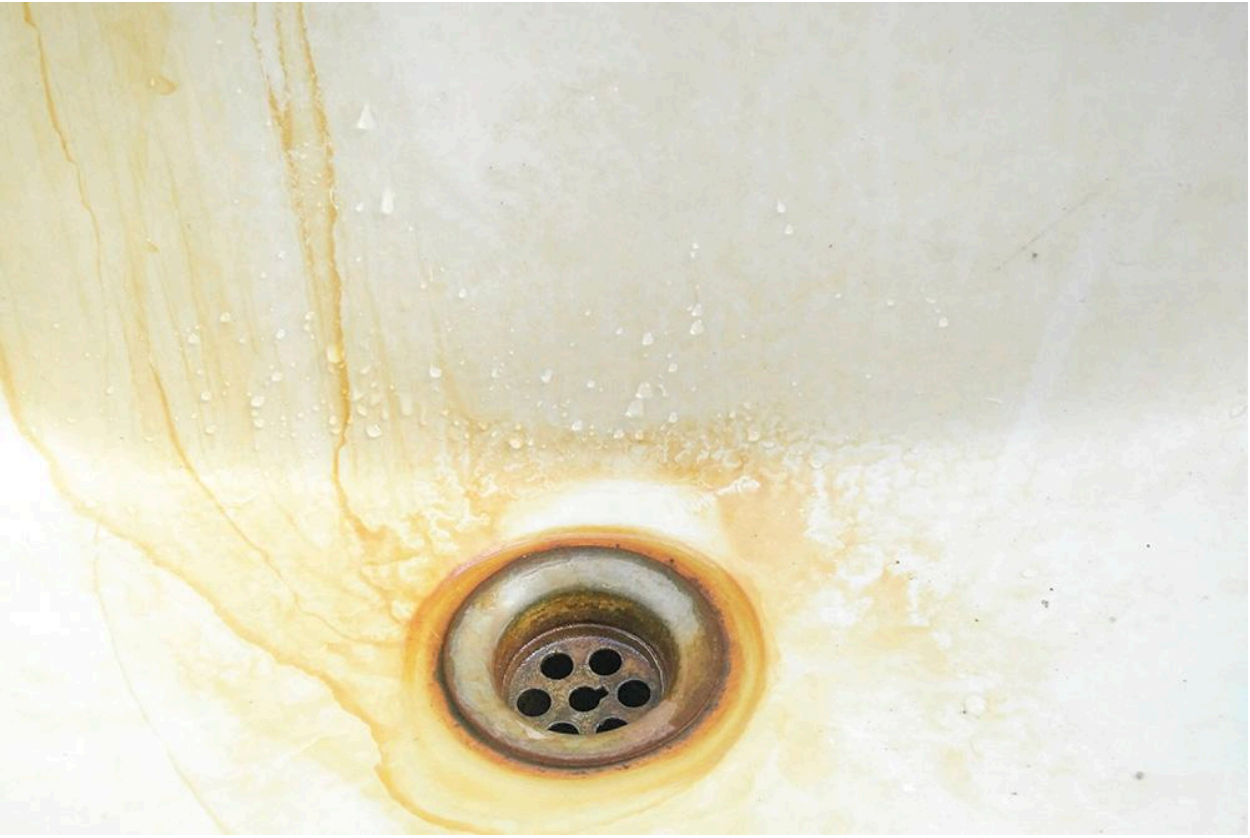
Iron is a common problem in well water and can appear in several forms, including clear water iron, red (oxidized) iron, and iron bacteria. Even small amounts of iron can cause staining, unpleasant taste, and odor issues.
Iron removal systems are designed to:
- Remove dissolved and oxidized iron
- Eliminate rust staining on sinks, tubs, toilets, and laundry
- Improve water clarity and taste
- Reduce metallic flavors and odors
- Prevent buildup inside plumbing and fixtures
These systems are often customized based on water testing results and may also address manganese and sulfur odors when present.
Well Pumps & Pressure Tanks
The foundation of a reliable water system
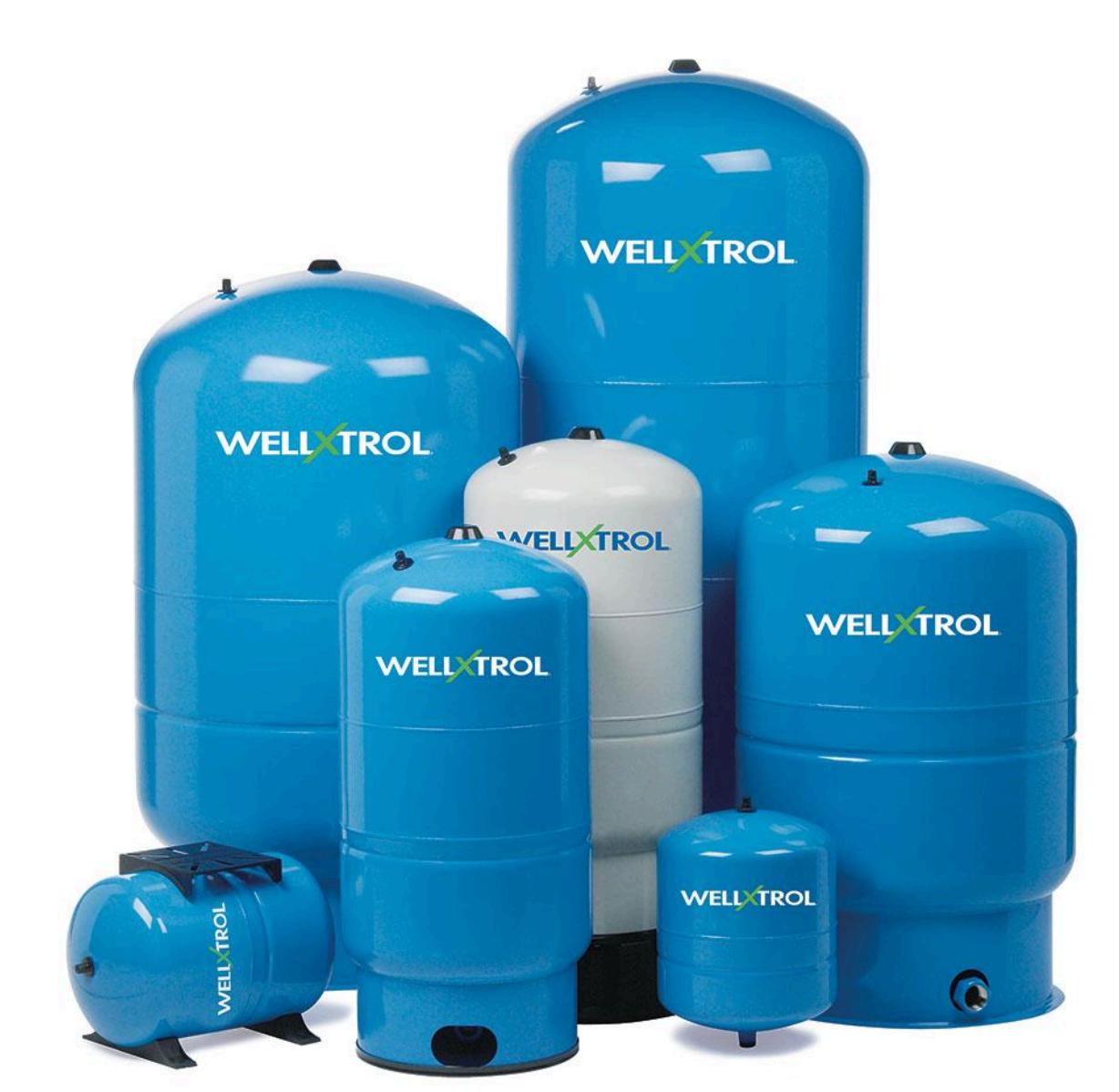
Your well pump and pressure tank work together to deliver water from your well to your home at consistent pressure. When properly sized and maintained, they provide reliable water flow while minimizing wear on the pump.
We install and service:
- Submersible well pumps
- Pressure tanks
- Pressure switches and controls
Proper pump and tank setup:
- Maintains steady water pressure
- Reduces pump cycling and wear
- Extends equipment lifespan
- Ensures dependable water supply
Whether it’s a new installation, replacement, or troubleshooting pressure issues, properly functioning pump equipment is essential to any well system.
pH Neutralizers
Protect plumbing from acidic water damage
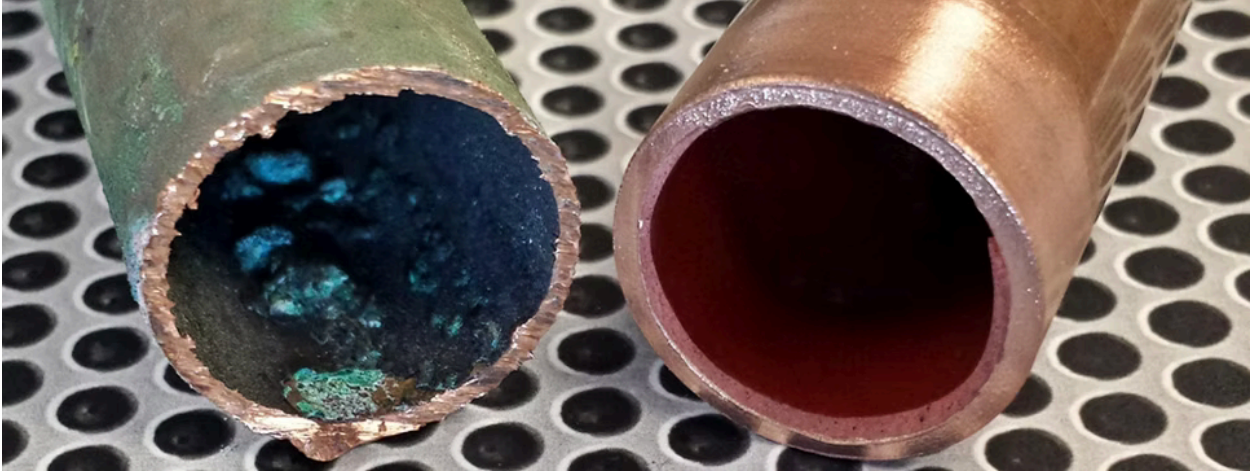
Acidic water (low pH) is common in many well water systems and can be highly corrosive. Over time, acidic water can eat away at copper piping, cause pinhole leaks, and lead to blue or green staining on fixtures.
pH neutralizer systems work by:
- Raising water pH to a safe, neutral level
- Reducing pipe corrosion
- Protecting plumbing and appliances
- Improving water taste
Neutralizers are typically backwashing tanks filled with natural media such as calcite or blended neutralizing materials. Proper sizing and water flow are critical for long-term performance.
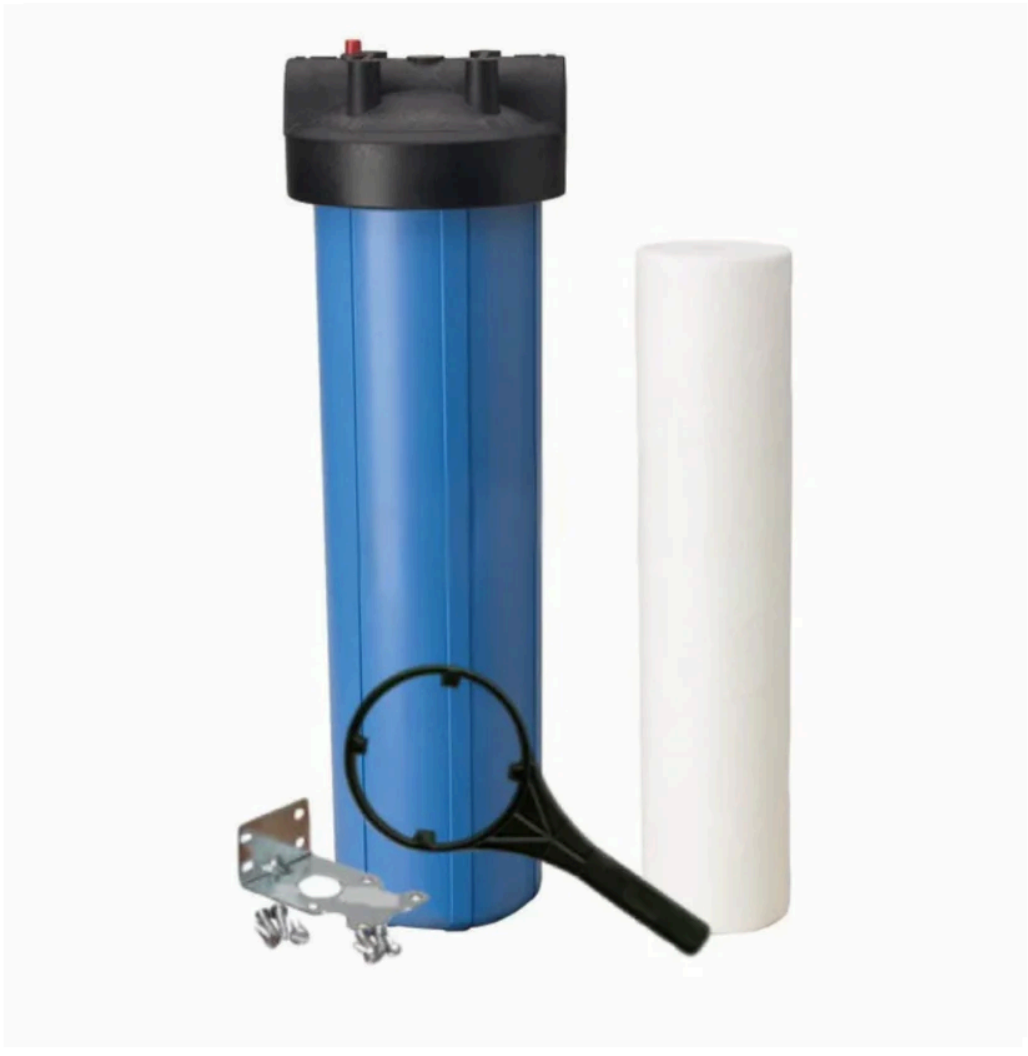
Sediment Filtration
Protect your plumbing and treatment equipment
Sediment filters remove physical particles from water such as dirt, sand, silt, rust, and debris. These systems are often the first stage of treatment, especially for well water.
Sediment filtration helps:
- Improve water clarity
- Prevent clogging of fixtures and valves
- Protect water softeners, carbon filters, and RO systems
- Extend the lifespan of appliances and plumbing
Sediment filters are available in multiple styles and micron ratings depending on water conditions and system needs.
Chlorine Injection Systems
Disinfection and oxidation for problem well water
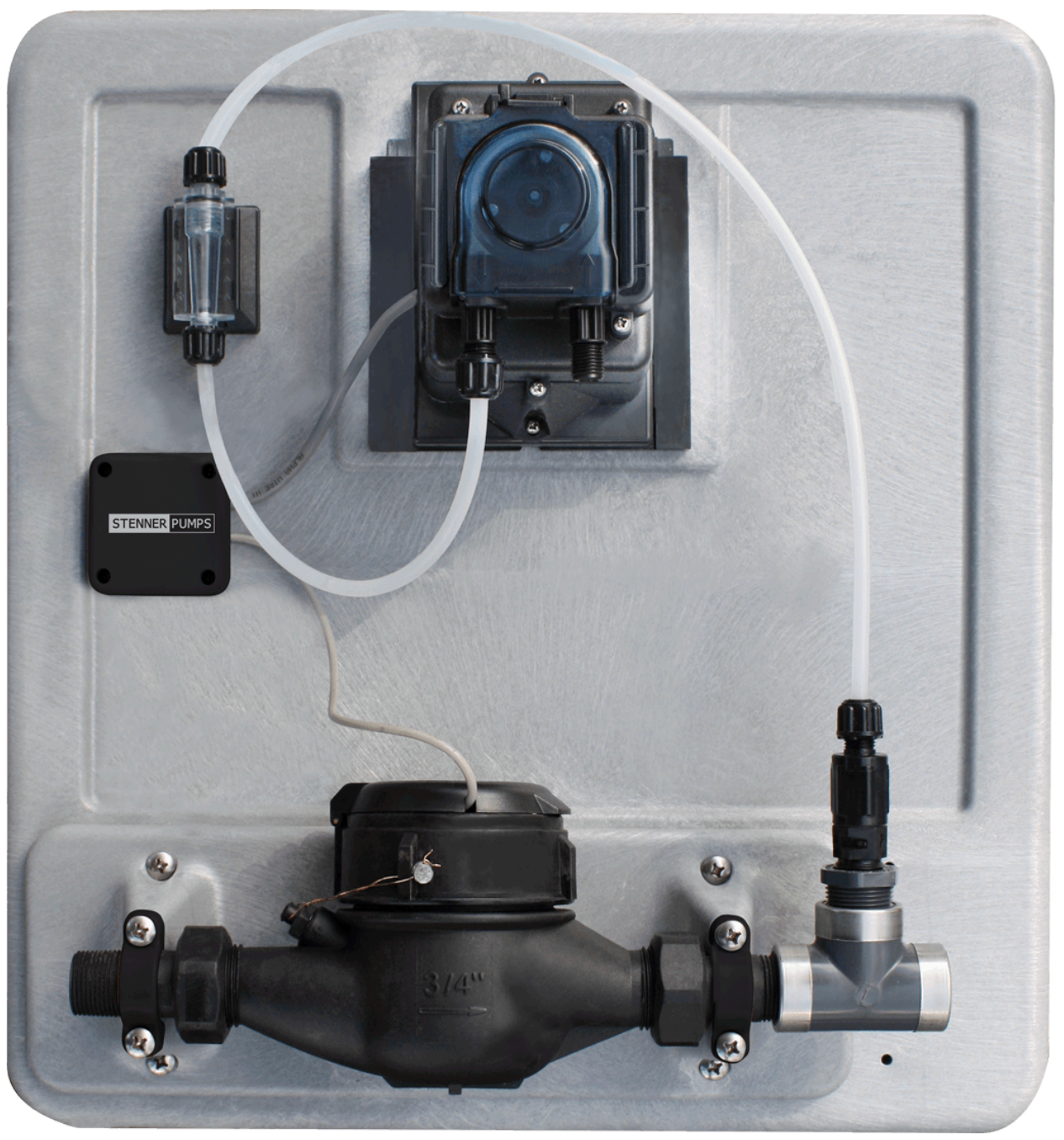
Chlorine injection systems are commonly used to disinfect well water and oxidize contaminants before filtration. A small, controlled amount of chlorine is injected into the water supply and allowed contact time before being filtered out.
Chlorine injection is effective for:
- Killing bacteria and viruses
- Treating iron and manganese
- Eliminating sulfur (“rotten egg”) odors
- Controlling iron bacteria and slime buildup
These systems are often paired with carbon or multimedia filtration to remove oxidized contaminants and excess chlorine before water enters the home.

UV Sterilization
Chemical-free protection against harmful microorganisms
UV sterilization systems use ultraviolet light to neutralize bacteria, viruses, and microorganisms as water flows through the unit. This process does not add chemicals or alter taste.
UV systems are commonly used to protect against:
- E. coli
- Coliform bacteria
- Viruses
- Other microorganisms
UV sterilization is often installed as a final treatment stage, especially for well water systems, to provide continuous disinfection and peace of mind.